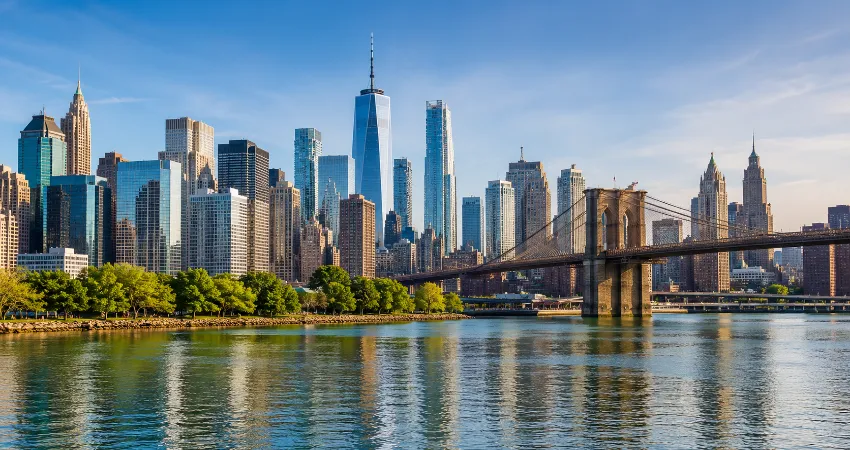
Finding the right place to live in New York is about much more than choosing a neighborhood with famous landmarks or luxury apartments. Every residential area offers a unique combination of lifestyle, transportation, schools, safety, green spaces, local businesses, and long-term property value. Whether someone is planning to relocate, purchase a home, or rent an apartment, understanding how neighborhoods differ can make the decision much easier.
After studying long-term housing trends, community development, transportation accessibility, and resident preferences, one thing becomes clear: the most desirable neighborhoods are not always the most expensive. Many high-demand residential areas continue to attract families, young professionals, retirees, and remote workers because they provide a balanced quality of life alongside strong investment potential.
This guide explores fifteen of the most sought-after residential areas across New York, highlighting what makes each location attractive. Instead of focusing only on luxury communities, this article considers everyday livability, amenities, commute options, neighborhood character, and future growth potential to provide practical information for prospective residents.
What Makes a Residential Area High in Demand?
A high-demand neighborhood usually combines several important qualities rather than excelling in just one area. Reliable public transportation, well-maintained parks, reputable schools, low vacancy rates, convenient shopping, healthcare access, employment opportunities, and an active community all contribute to sustained residential demand. Areas that continue receiving infrastructure improvements and new developments often remain desirable for many years.
Top 15 Best High-Demand Residential Areas In New York
1. Upper West Side
The Upper West Side remains one of New York’s most desirable residential neighborhoods thanks to its tree-lined streets, family-friendly atmosphere, excellent schools, and easy access to Central Park and Riverside Park. Residents appreciate the balance between urban convenience and peaceful living. Local restaurants, bookstores, museums, and cultural institutions further enhance its appeal.
2. Upper East Side
Known for elegant residential buildings and a refined atmosphere, the Upper East Side attracts professionals, families, and retirees alike. Excellent medical facilities, museums, shopping destinations, and subway connectivity make everyday life convenient while maintaining a relatively quiet residential environment.
3. Brooklyn Heights
Brooklyn Heights offers historic charm combined with modern convenience. Beautiful brownstone homes, waterfront parks, scenic walking paths, and quick access to Manhattan continue driving strong housing demand. Its welcoming community atmosphere makes it especially attractive for families.
4. Park Slope
Park Slope consistently ranks among New York’s most desirable neighborhoods because of its excellent schools, local cafés, independent businesses, and proximity to Prospect Park. Residents enjoy a relaxed community environment without sacrificing easy city access.
🔥 Don’t Miss These Opportunities
5. Astoria
Astoria has grown rapidly in popularity among young professionals and families. The neighborhood offers relatively affordable housing compared to many parts of Manhattan while providing excellent restaurants, cultural diversity, waterfront parks, and efficient public transportation.
6. Long Island City
Long Island City has transformed dramatically over the past decade. Modern residential developments, impressive skyline views, expanding office spaces, and quick subway connections have made it one of the fastest-growing residential destinations in New York.
7. Forest Hills
Forest Hills combines suburban comfort with city accessibility. Tree-lined streets, highly rated schools, shopping districts, and numerous parks create a balanced lifestyle that attracts both families and professionals seeking quieter surroundings.
8. Riverdale
Located in the Bronx, Riverdale offers spacious homes, abundant green spaces, and a suburban atmosphere that differs from much of New York City. Many residents appreciate the peaceful environment while remaining connected to Manhattan through commuter rail and bus services.
9. Battery Park City
Battery Park City is known for its modern residential buildings, waterfront promenades, and well-maintained public spaces. Families appreciate the neighborhood’s cleanliness, safety, recreational facilities, and easy access to the Financial District.
10. Tribeca
Tribeca continues attracting buyers seeking spacious apartments, historic architecture, and premium amenities. Although housing prices remain high, demand stays strong because of the neighborhood’s excellent restaurants, schools, parks, and overall quality of life.
11. Williamsburg
Williamsburg has evolved into one of Brooklyn’s most dynamic residential communities. Creative industries, local businesses, waterfront parks, and modern apartment developments attract professionals looking for an energetic yet livable neighborhood.
12. Cobble Hill
Cobble Hill combines historic character with a welcoming residential atmosphere. Charming streets, independent shops, schools, and nearby parks contribute to consistent demand among families and long-term residents.
13. Bayside
Bayside offers excellent schools, spacious homes, and a suburban lifestyle within Queens. Residents value its peaceful environment, community-oriented atmosphere, and convenient commuter rail service into Manhattan.
14. Greenwich Village
Greenwich Village remains one of New York’s most iconic neighborhoods. Historic streets, cultural attractions, universities, restaurants, and walkability create lasting residential demand despite higher housing costs.
15. Roosevelt Island
Roosevelt Island provides a unique residential experience with open green spaces, waterfront views, and a quieter environment than many surrounding neighborhoods. Efficient transit connections allow residents to enjoy peaceful living without losing convenient access to Manhattan.
Factors to Consider Before Choosing a Neighborhood
Every homebuyer or renter should evaluate more than listing prices. Commute time, transportation options, school quality, neighborhood safety, healthcare facilities, grocery stores, recreational opportunities, future development projects, and monthly living expenses all influence long-term satisfaction. Visiting neighborhoods during different times of the day can provide valuable insight into daily life that online listings cannot capture.
Future Residential Trends in New York
New York’s housing market continues evolving as residents increasingly prioritize flexible living spaces, walkable communities, green infrastructure, reliable public transportation, and access to outdoor recreation. Neighborhoods investing in sustainable development, mixed-use communities, and improved public amenities are likely to remain highly desirable for years to come.
Frequently Asked Questions
1. Which residential area is best for families in New York?
Many families prefer neighborhoods such as the Upper West Side, Park Slope, Forest Hills, and Bayside because they offer reputable schools, parks, family-oriented amenities, and strong community engagement. The best choice depends on budget, commuting needs, and lifestyle preferences.
2. What is the safest residential neighborhood in New York?
Several neighborhoods maintain strong reputations for safety, including Battery Park City, Brooklyn Heights, Forest Hills, and the Upper East Side. However, safety varies by street and community, so reviewing current local information and visiting the area personally is always recommended.
3. Which neighborhood offers the best value for young professionals?
Astoria, Long Island City, and Williamsburg remain popular among young professionals because they combine excellent transportation, growing employment opportunities, vibrant dining scenes, and relatively diverse housing options compared to central Manhattan.
4. Is buying property in New York a good long-term investment?
Historically, many desirable New York neighborhoods have demonstrated long-term property appreciation due to limited housing supply and sustained demand. Buyers should still evaluate local market conditions, financing options, and future development plans before making a purchase.
5. Which neighborhood has the shortest commute to Manhattan?
Neighborhoods such as Long Island City, Brooklyn Heights, Battery Park City, and Roosevelt Island provide quick access to Manhattan through subway systems, commuter services, or nearby bridges, making them attractive to daily commuters.
6. Are there affordable high-demand neighborhoods in New York?
While affordability is relative, neighborhoods like Astoria, Bayside, and certain parts of Forest Hills often provide better value than many areas in Manhattan while still offering strong amenities and transportation access.
7. What amenities increase residential demand in a neighborhood?
Easy transportation, quality schools, healthcare facilities, grocery stores, restaurants, parks, recreational spaces, walkability, and community services all contribute significantly to sustained residential demand and long-term property value.
8. How important is public transportation when selecting a neighborhood?
Reliable public transportation can significantly improve daily convenience by reducing commute times and transportation costs. Neighborhoods with multiple subway lines or commuter rail connections often experience stronger housing demand over time.
9. Should renters and buyers use the same neighborhood selection criteria?
Both renters and buyers should consider lifestyle, commute, safety, and amenities. Buyers should additionally evaluate long-term appreciation potential, property taxes, maintenance costs, and future neighborhood development plans.
10. What is the best way to compare different neighborhoods before moving?
Comparing housing prices, commute times, school ratings, public transportation, healthcare access, parks, shopping, and local community atmosphere provides a well-rounded evaluation. Visiting neighborhoods multiple times and speaking with current residents can also offer valuable real-world insight.
Conclusion
New York offers an extraordinary variety of residential neighborhoods, each serving different lifestyles and priorities. Whether someone values historic charm, waterfront living, family-friendly communities, vibrant cultural districts, or convenient commuting, there are excellent options throughout the city.
By carefully evaluating amenities, transportation, schools, long-term growth, and overall quality of life, prospective residents can confidently choose a neighborhood that supports both their immediate needs and future goals.